Tennessee Crawl Space Contractors
62 crawl space repair, encapsulation, and waterproofing contractor listings in Tennessee. Sorted by Google rating — featured listings at top.
Listings are compiled from public business data. CrawlSpaceFinder does not verify licensing, insurance, or workmanship — use our hiring checklist to check credentials before you hire.
Service tags come from public business data and are coarse — a contractor may offer more than the tags shown. Always confirm scope directly.
Tennessee Contractors
DFX Foundation & Waterproofing Experts








AFS Foundation & Waterproofing Specialists
AFS Foundation & Waterproofing Specialists




Ground Up Foundation Repair, Waterproofing and Concrete Leveling

All Time Exterminating & Moisture Control
Crawl Space Conditions in Tennessee
Climate and Moisture in Tennessee
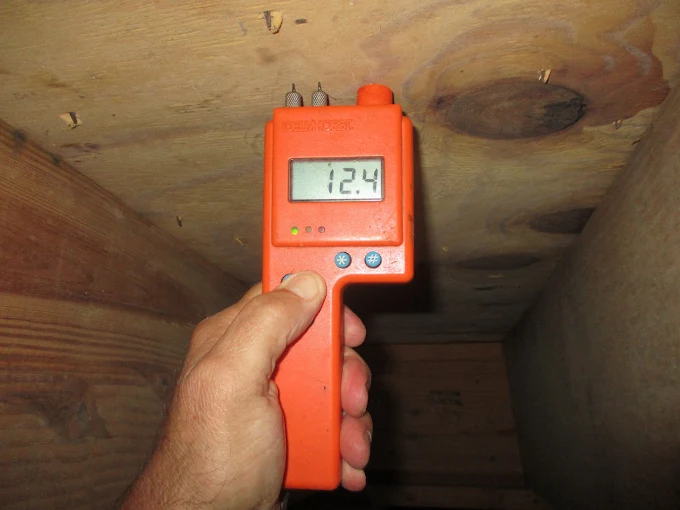
Tennessee's humid subtropical climate and heavy annual rainfall-averaging 48-55 inches across most of the state-make crawl space moisture control essential. Nashville and the Cumberland Plateau region see persistent summer humidity above 80%, while Memphis and west Tennessee sit in the Mississippi River floodplain with even higher moisture loads. The Smoky Mountains around Knoxville receive some of the highest rainfall in the eastern US, exceeding 80 inches at higher elevations. Condensation on crawl space surfaces is a year-round problem, accelerating wood rot and mold growth. Review encapsulation costs to understand pricing in your part of the state.
Common Foundation Types
Tennessee homes reflect the state's varied terrain. Nashville's suburban sprawl from the 1970s-2000s produced thousands of homes on concrete block crawl spaces built on limestone bedrock. In Knoxville and East Tennessee, hilly terrain means many homes have partial crawl spaces with varying heights, complicating access and encapsulation work. Memphis-area homes are typically built on pier-and-beam foundations over the flat alluvial plain, with clay soils that retain water. Chattanooga sits on karst limestone terrain where underground water channels can redirect moisture unpredictably beneath foundations.
Radon, Karst Terrain, and Regional Risks
Much of middle and east Tennessee falls within EPA Radon Zone 1, with Nashville (Davidson County), Knoxville (Knox County), and the surrounding counties showing elevated indoor radon levels. Tennessee's karst geology-particularly in the Cumberland Plateau and Valley-creates sinkholes, underground streams, and unpredictable water movement beneath homes. Termite pressure is high statewide, with the heaviest infestations in west Tennessee. Spring flooding along the Tennessee and Cumberland rivers periodically impacts crawl spaces in low-lying areas. Check our hiring guide before selecting a contractor.
Permits and Building Codes
Tennessee has adopted the 2018 International Residential Code with state amendments. Metro Nashville-Davidson County enforces permits for crawl space repair and encapsulation projects involving electrical or plumbing work. Knox County (Knoxville) and Shelby County (Memphis) have similar requirements. Rural Tennessee counties vary in enforcement. Tennessee's radon program, run by TDEC (Tennessee Department of Environment and Conservation), directs homeowners to certified radon professionals listed by the National Radon Proficiency Program (NRPP) or the National Radon Safety Board (NRSB). The 2018 IRC requires a continuous Class I vapor retarder over exposed earth in unvented crawl spaces, and allows reduced vent area in vented crawl spaces where the ground is covered with a Class I vapor retarder.
Request a Crawl Space Quote
No cost and no obligation to you. We pass your request on to crawl space contractors in your area — pricing, inspection fees, and availability are set by each contractor.
Tennessee Crawl Space FAQ
Cost ranges on this page are CrawlSpaceFinder's own estimates, not quotes or published prices.
How much does crawl space encapsulation cost in Tennessee?
Tennessee crawl space encapsulation costs $5,000-$14,000 for most homes. Nashville metro projects average $6,000-$13,000. Knoxville and Chattanooga projects run $5,500-$12,000. Memphis-area encapsulation is typically $5,000-$11,000. Homes in hilly East Tennessee with difficult access or varying crawl space heights may see costs 10-20% above average. These are our own estimates, not quotes.
Do Tennessee crawl spaces have radon problems?
Many do. Middle and East Tennessee have significant radon risk, with Davidson (Nashville) and Knox (Knoxville) counties in EPA Zone 1 and Hamilton (Chattanooga) County in EPA Zone 2. The limestone bedrock underlying much of the state allows radon gas to migrate into crawl spaces. Testing is recommended for every Tennessee crawl space project, with sub-membrane depressurization systems available during encapsulation.
Why does my Tennessee crawl space have standing water?
Tennessee receives 48-55 inches of rain annually, and the state's clay soils drain poorly. Nashville's limestone bedrock creates perched water tables, and the karst terrain in Chattanooga and the Cumberland Plateau allows water to channel unpredictably underground. Many Tennessee homes were built with vented crawl spaces that actually pull humid air in rather than ventilating moisture out.
Do I need a dehumidifier in my Tennessee crawl space?
Yes. Tennessee's humid subtropical climate means summer crawl space humidity easily exceeds 70-80% without active moisture control. Even a sealed crawl space needs a dehumidifier rated for at least 90 pints per day in most Tennessee climates. Without one, mold growth on joists and subflooring is virtually guaranteed during the May-September humidity season.
What termite risks exist in Tennessee crawl spaces?
Subterranean termites are active across all of Tennessee, with the heaviest pressure in the western third of the state near Memphis. The warm, moist conditions in unprotected crawl spaces attract termites. Encapsulation reduces risk by controlling moisture, but homeowners should maintain termite monitoring systems and schedule annual wood-destroying insect inspections.
Crawl space contractor in Tennessee?
Get a free listing in the Tennessee directory. There is nothing to buy.
Add Your Business Free