North Carolina Crawl Space Contractors
82 crawl space repair, encapsulation, and waterproofing contractor listings in North Carolina. Sorted by Google rating — featured listings at top.
Listings are compiled from public business data. CrawlSpaceFinder does not verify licensing, insurance, or workmanship — use our hiring checklist to check credentials before you hire.
Service tags come from public business data and are coarse — a contractor may offer more than the tags shown. Always confirm scope directly.
North Carolina Contractors



Mullins Company - Insulation & Spray Foam
Dry Pro Foundation and Crawlspace Specialists

Triangle Radiant Barrier & Crawl Space Encapsulation
Coastal Crawl Space & Foundation Repair



Little Corner Foundation Repair & Waterproofing

Southeast Foundation and Crawl Space Repair



Carolina Foundation & Insulation



Cornerstone Foundation Repair and Waterproofing LLC
Affordable Waterproofing & Foundation Repair



Crawl Space Conditions in North Carolina
Climate and Moisture in North Carolina
North Carolina's humid subtropical climate creates year-round moisture challenges for crawl spaces. The Piedmont region around Charlotte, Raleigh, and Greensboro sees summer humidity regularly exceeding 80%, while coastal areas from Wilmington to the Outer Banks face even higher levels compounded by storm surge risk. Annual rainfall averages 45-55 inches statewide, with the western mountains receiving over 60 inches. This persistent moisture drives mold growth on floor joists and can push crawl space relative humidity above 70% without proper vapor barriers. Understanding your region's encapsulation costs is the first step toward protecting your home.
Common Foundation Types
Most North Carolina homes built before 1990 sit on pier-and-beam or block foundations with vented crawl spaces. In the Piedmont, red clay soils create poor drainage and hydrostatic pressure against foundation walls. Mountain homes near Asheville and Boone often have stone or rubble foundations that allow significant air and water infiltration. Coastal homes on the Outer Banks and around Wilmington frequently use elevated pier foundations, but enclosed crawl spaces beneath these still trap moisture. Block foundations in the Charlotte metro area are especially prone to cracking where clay soils expand and contract seasonally.
Radon, Termites, and Regional Risks
EPA's Map of Radon Zones places eight North Carolina counties in Zone 1 (Alleghany, Buncombe, Cherokee, Henderson, Mitchell, Rockingham, Transylvania and Watauga); Wake County (Raleigh) is Zone 2 and Mecklenburg County (Charlotte) is Zone 3. Subterranean termites are active statewide, with Formosan termites increasingly found in coastal counties. Wood rot from persistent moisture is the most common structural issue contractors report, particularly in homes with original vented crawl space designs. Homeowners should review our hiring checklist before selecting a contractor to ensure radon testing and termite inspection are included in the scope.
Permits and Building Codes
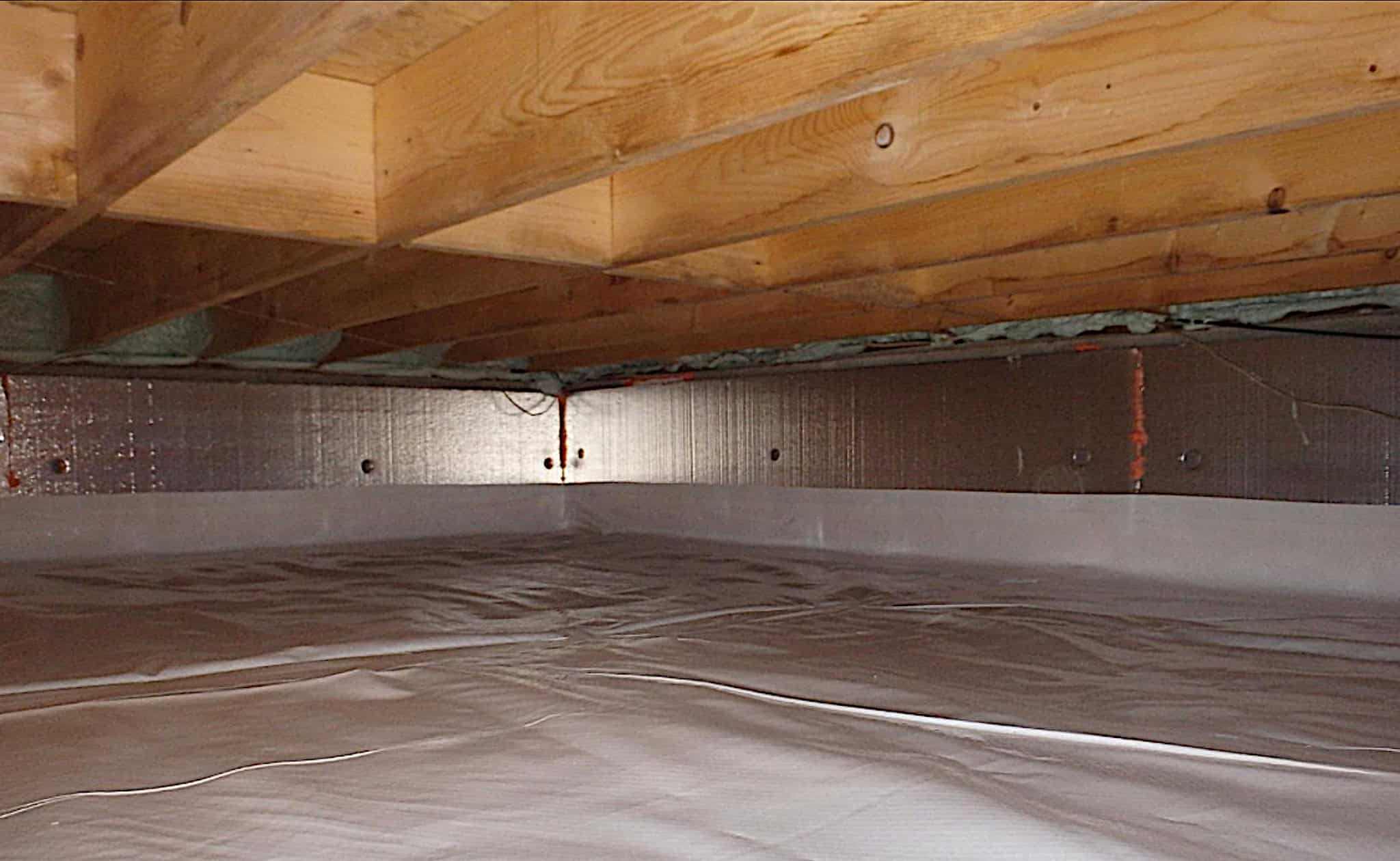
North Carolina enforces the 2018 North Carolina Residential Code, which combines North Carolina amendments with the 2015 International Codes. Crawl Space encapsulation projects that involve electrical work for dehumidifiers or sump pumps typically require a permit from the local building department. Counties in the Piedmont and Charlotte metro area are generally strict about permit enforcement. The 2018 NC Residential Code requires a minimum 6-mil polyethylene ground vapor retarder in closed crawl spaces (Section R409.2.1), and in wall-vented crawl spaces when vent area is reduced under the Section R408.1.1 exception. North Carolina requires a licensed general contractor where the cost of the undertaking is $40,000 or more (G.S. 87-1); an owner altering a home for their own occupancy may be exempt under G.S. 87-1(b)(2) and G.S. 87-14.
Request a Crawl Space Quote
No cost and no obligation to you. We pass your request on to crawl space contractors in your area — pricing, inspection fees, and availability are set by each contractor.
North Carolina Crawl Space FAQ
Cost ranges on this page are CrawlSpaceFinder's own estimates, not quotes or published prices.
How much does crawl space encapsulation cost in North Carolina?
Crawl Space encapsulation in North Carolina typically costs $5,500-$15,000, depending on square footage and scope. A basic vapor barrier install in the Raleigh-Durham area runs $2,000-$4,000, while full encapsulation with drainage, a dehumidifier, and insulation in Charlotte or Asheville ranges from $8,000 to $15,000+. Mountain homes with difficult access tend to cost 15-20% more. These are our own estimates, not quotes.
Do I need a dehumidifier in my North Carolina crawl space?
In most of North Carolina, yes. Summer humidity in the Piedmont and coastal regions routinely exceeds 80% outdoors, and even encapsulated crawl spaces need active dehumidification to stay below 60 percent relative humidity, the indoor limit EPA advises (ideally between 30 and 50 percent). Mountain areas around Asheville may manage with a vapor barrier alone during cooler months, but a dehumidifier is still recommended for summer.
Is radon a concern in North Carolina crawl spaces?
Radon is a significant concern in the Piedmont and mountain regions. Buncombe County (Asheville) is EPA Zone 1, with a predicted average indoor radon screening level above 4 pCi/L; Wake County (Raleigh) is Zone 2 and Mecklenburg County (Charlotte) is Zone 3. Crawl Space encapsulation projects in these areas should include radon testing before and after, and many contractors offer integrated radon mitigation systems.
What services do crawl space contractors offer in North Carolina?
North Carolina crawl space contractors typically offer vapor barrier installation, full encapsulation, dehumidifier installation, French drain and sump pump systems, structural jack installation for sagging floors, mold remediation, and insulation. Coastal contractors often specialize in flood venting and hurricane-rated enclosure systems. Many also offer annual maintenance plans.
How long does crawl space encapsulation last in North Carolina?
A properly installed encapsulation system lasts 15-25 years in North Carolina's climate. The vapor barrier itself can last 20+ years, but dehumidifiers typically need replacement every 8-12 years. In high-moisture areas like Wilmington or the Outer Banks, annual inspections are especially important to catch any barrier damage from storms or settling.
Crawl space contractor in North Carolina?
Get a free listing in the North Carolina directory. There is nothing to buy.
Add Your Business Free