Indiana Crawl Space Contractors
58 crawl space repair, encapsulation, and waterproofing contractor listings in Indiana. Sorted by Google rating — featured listings at top.
Listings are compiled from public business data. CrawlSpaceFinder does not verify licensing, insurance, or workmanship — use our hiring checklist to check credentials before you hire.
Service tags come from public business data and are coarse — a contractor may offer more than the tags shown. Always confirm scope directly.
Indiana Contractors





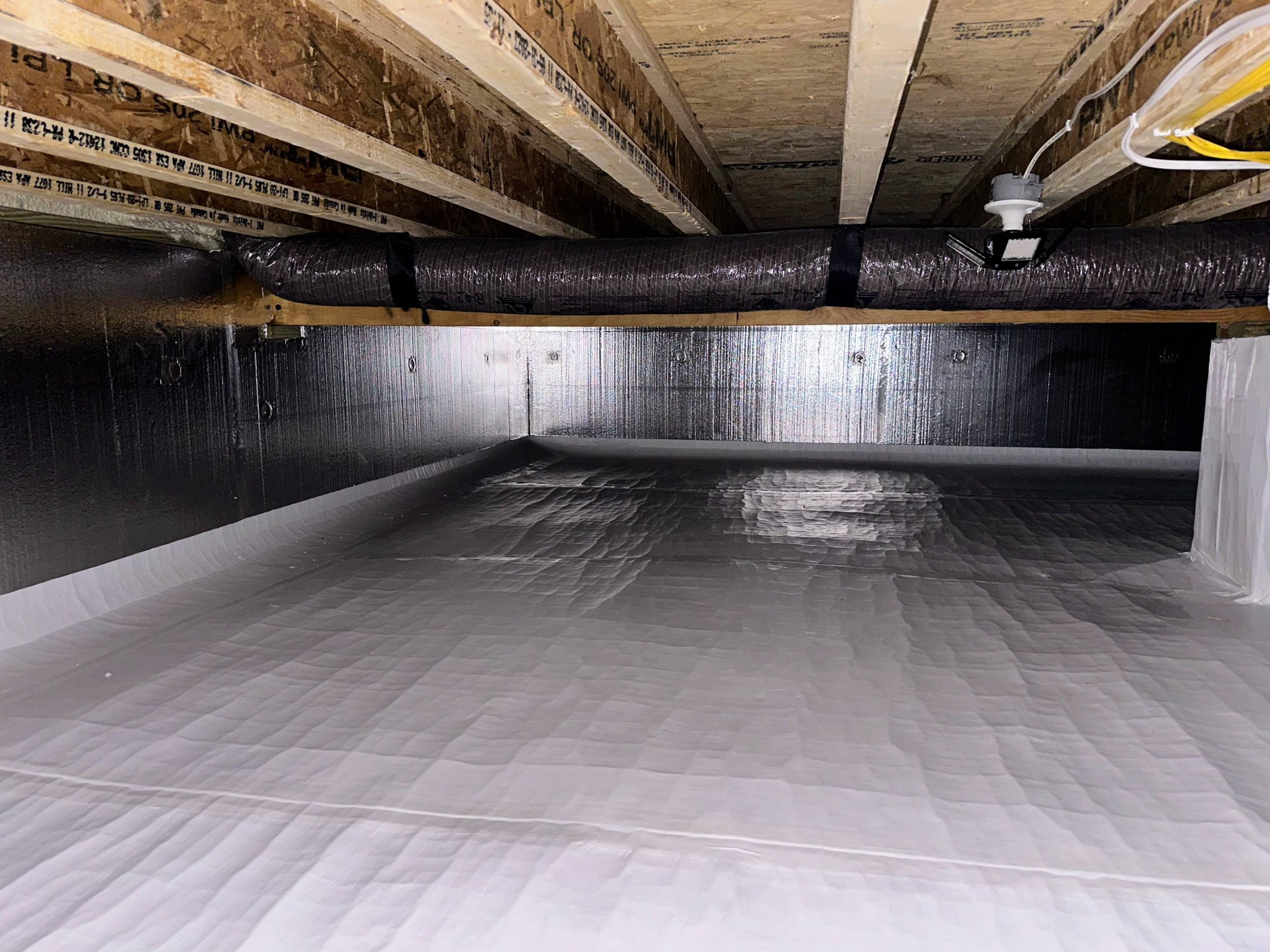

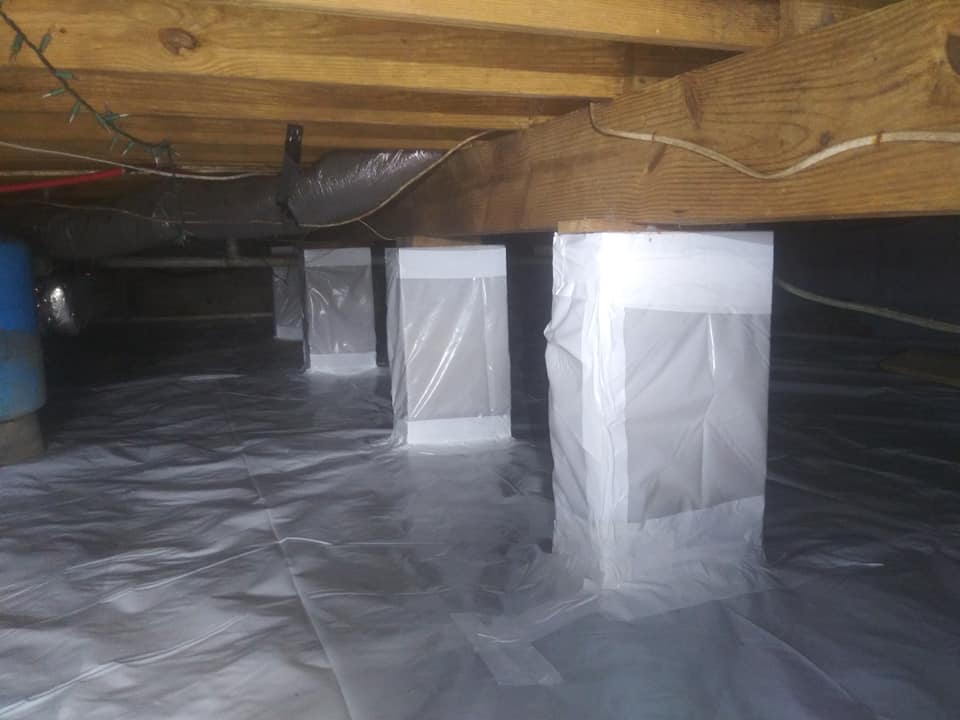
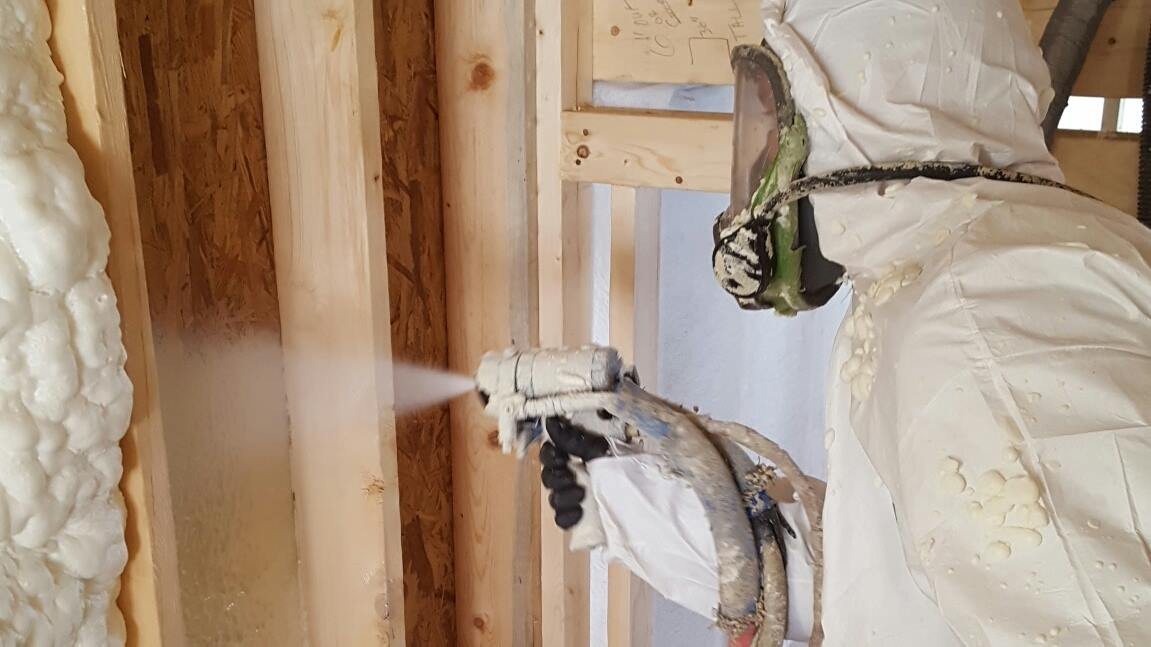




Crawl Space Conditions in Indiana
Climate and Moisture in Indiana
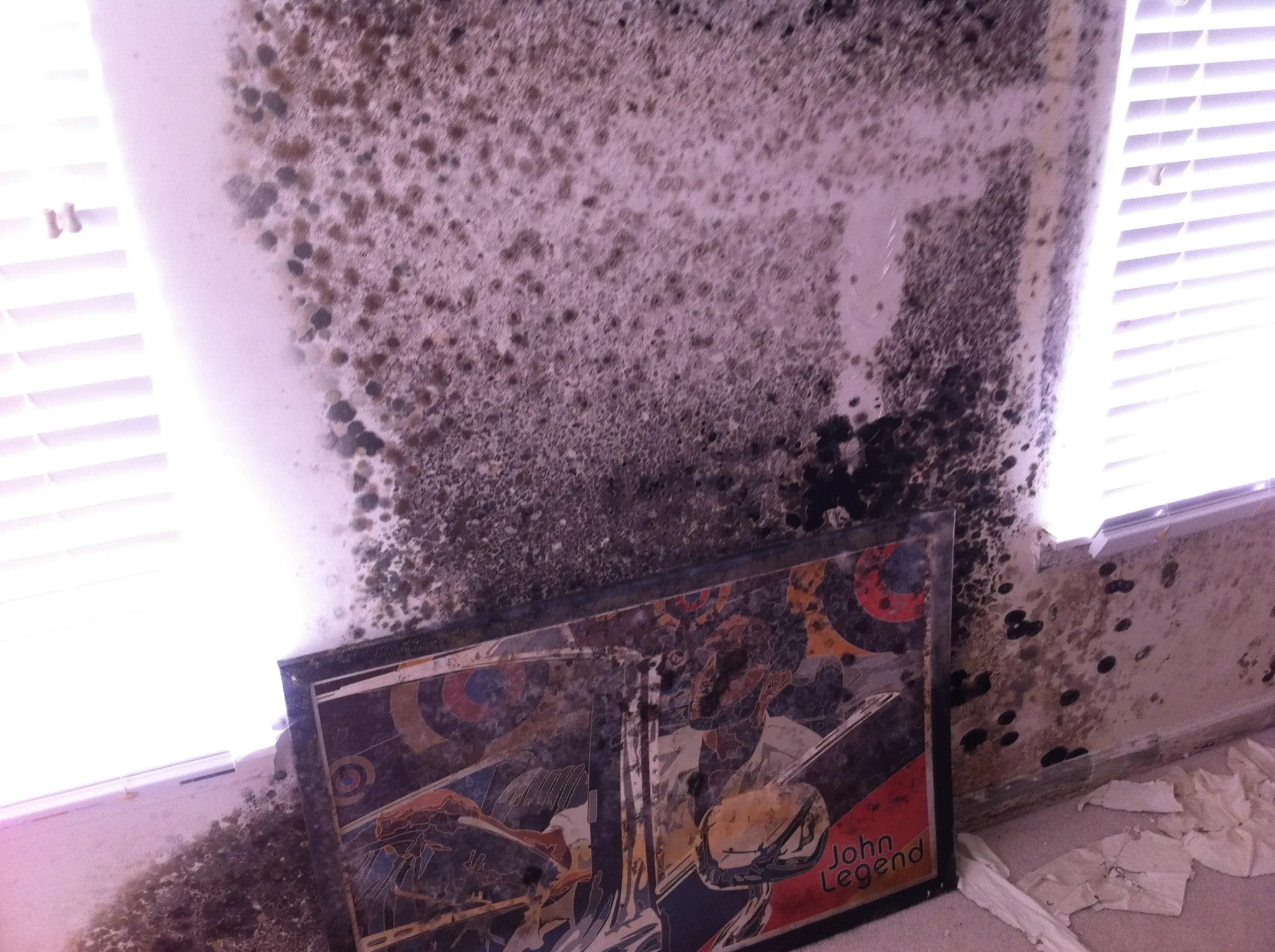
Indiana's continental climate brings cold, wet winters and hot, humid summers that create year-round crawl space moisture challenges. Indianapolis and central Indiana see summer humidity averaging 70-80% with annual rainfall of 40-44 inches. Northern Indiana near Fort Wayne and South Bend receives heavy lake-effect moisture from Lake Michigan. Southern Indiana along the Ohio River experiences the highest humidity in the state, with summer readings regularly above 80%. Spring snowmelt combined with heavy April-June rainfall is the peak water intrusion season for Indiana crawl spaces. Understanding encapsulation pricing helps plan for protection before the wet season.
Common Foundation Types
Indiana's suburban growth from the 1960s through 1990s-particularly around Indianapolis, Fort Wayne, and Evansville-produced thousands of homes on concrete block crawl space foundations. Older homes in cities like Bloomington, Terre Haute, and Lafayette feature poured concrete or stone foundations from the early to mid-1900s. Southern Indiana homes near the Ohio River often have limestone block foundations. Indiana's glacial till soils across the central and northern regions are dense clay that traps water against foundations. The flat terrain of much of the state creates poor natural drainage, making French drain systems common in crawl space projects.
Radon, Flooding, and Regional Risks
Indiana has significant radon risk, with most of the state falling in EPA Zones 1 and 2. Central Indiana counties around Indianapolis, Hamilton, Hendricks, and Johnson show consistently elevated radon readings. Southern Indiana's karst limestone terrain (particularly in Lawrence, Monroe, and Orange counties) creates sinkholes and underground water channels that can redirect moisture beneath homes. Tornado and severe storm risk makes battery-backed sump pumps essential. Review our contractor hiring checklist to ensure radon testing and proper drainage assessment are part of any crawl space evaluation.
Permits and Building Codes
Indiana adopted the 2020 Indiana Residential Code, which adopts the 2018 International Residential Code with state amendments, enforced through local building departments. Marion County (Indianapolis) and the surrounding suburban counties (Hamilton, Hendricks, Johnson) require permits for crawl space repair services that include electrical or plumbing components. Indiana law requires radon measurement and mitigation professionals to be licensed through the Indiana Department of Health. The state code requires a continuous Class I vapor retarder over exposed earth in unvented crawl spaces and permits unvented crawl space designs as an alternative to ventilation openings.
Request a Crawl Space Quote
No cost and no obligation to you. We pass your request on to crawl space contractors in your area — pricing, inspection fees, and availability are set by each contractor.
Indiana Crawl Space FAQ
Cost ranges on this page are CrawlSpaceFinder's own estimates, not quotes or published prices.
How much does crawl space encapsulation cost in Indiana?
Indiana crawl space encapsulation costs $4,500-$13,000 for most homes. Indianapolis metro projects average $5,500-$12,000. Fort Wayne and northern Indiana projects run $5,000-$11,000. Southern Indiana near Evansville or Bloomington averages $4,500-$10,000. Homes on karst terrain in south-central Indiana may require additional drainage work that adds $1,500-$3,000. These are our own estimates, not quotes.
Is radon a problem in Indiana crawl spaces?
Yes. Most of Indiana falls in EPA Radon Zones 1-2, with central Indiana counties around Indianapolis showing consistently elevated levels. The glacial till and limestone bedrock underlying much of the state allow radon to migrate into crawl spaces. Pre-encapsulation radon testing is strongly recommended, and sub-membrane depressurization systems can be installed during encapsulation for $800-$1,500 additional.
Why is my Indiana crawl space always wet in spring?
Indiana's spring combines snowmelt with the state's heaviest rainfall months (April-June), overwhelming drainage around many homes. The glacial till clay soils across central and northern Indiana do not absorb water well, forcing it laterally against foundation walls. Many older Indiana crawl spaces lack interior drainage, allowing water to pool on the soil surface.
Do Indiana crawl spaces need sump pumps?
In most Indiana crawl spaces, yes. The clay soils, flat terrain, and high spring water table create conditions where water intrusion is nearly guaranteed without active drainage. Battery backup is essential given Indiana's severe thunderstorm and tornado activity, which can knock out power for extended periods during the very storms that produce the most water.
What makes southern Indiana crawl spaces different?
Southern Indiana sits on karst limestone geology with sinkholes, caves, and underground streams. This terrain can redirect water unpredictably beneath homes, and sinkholes can develop near foundations. Contractors in the Bloomington, Bedford, and Jasper areas must assess karst risk as part of any crawl space project. Drainage solutions may differ significantly from standard approaches used in central Indiana.
Crawl space contractor in Indiana?
Get a free listing in the Indiana directory. There is nothing to buy.
Add Your Business Free